この記事は海外の読者向けに英語で書いています。日本語版は 12年通った千葉のファミリーキャンプ場まとめ をどうぞ。
Hi, I'm Takabun — a camping dad living in northwest Chiba, Japan. My family of four has been camping for 12 years, and most of those trips happened right here in Chiba Prefecture, the peninsula just east of Tokyo.
If you're visiting Japan (or living in Tokyo) and want to experience Japanese family camping, Chiba is honestly one of the best-kept secrets: less than two hours from central Tokyo, surrounded by ocean and forest, and warm enough to camp comfortably in winter.
This is not a list scraped from the internet. Every campground below is a place my family has actually stayed at — including one that didn't work out for us, and I'll tell you why.
The 3-Second Answer
- Best overall for families: Camp Manavis (Tateyama) — playground, baths, beautifully terraced sites
- Best for kids who get bored easily: farm campgrounds (Narita Yume Bokujo, Mori no Makiba, Chiba Ushinohiroba) — animals keep children entertained for hours
- Best season: October to April. Yes, winter. Chiba's lowlands are brutally hot and humid in mid-summer, but mild and quiet in winter.
Why Chiba? (And Why Winter?)
Chiba is the large peninsula forming the eastern side of Tokyo Bay. Most campgrounds here are within 90 minutes of the Tokyo Bay Aqua-Line tunnel-bridge, which connects Kawasaki (Tokyo side) to Kisarazu (Chiba side) in about 15 minutes.
Here's the counterintuitive local knowledge: Japanese summer camping in low-altitude areas is rough. From July to early September, daytime temperatures exceed 33°C with high humidity, and nights barely cool down. Local families like ours camp in Chiba from autumn through spring, and head to the mountains in summer.
Winter camping in Chiba is genuinely pleasant: daytime temperatures around 10°C, crisp air, uncrowded campgrounds, and starry skies. With a proper sleeping bag (comfort rating around -5°C) and a heat source, it's the best season here.
One more thing worth knowing: Chiba is famously the only prefecture in Japan with no wild bear population. One less thing to think about when camping with kids.
1. Camp Manavis (Tateyama) — Our Family's Favorite
Out of every campground we've visited in 12 years, this is the one my family keeps coming back to.
Camp Manavis (official spelling: CAMP MANAVIS) sits at the southern tip of the Boso Peninsula in Tateyama, where you get ocean and forest in one location. What makes it special for families:
- Trampolines and play areas — the kids entertain themselves
- An open-air hot spring bath on site — this matters enormously in the colder months
- Terraced (tiered) sites — you're not staring into your neighbor's tent, and every site feels private
- Immaculately maintained — one of the cleanest campgrounds I've seen in Japan
The combination of "kids never get bored" and "parents can actually relax" is rare, and Manavis delivers both at a high level. If you only try one campground on this list, make it this one.
2. Eleven Auto Camp Park (Kimitsu) — Playground Heaven
If your only criterion is "maximum entertainment for children," this campground in Kimitsu wins:
- Grass sledding slope
- RC car course
- Bouldering wall
- Fishing pond
- Trampoline
Kids can burn energy all day without parents planning a single activity. It's lively rather than quiet — pick this one when your goal is to exhaust your children, in the best possible way.
3–5. The Farm Campgrounds: Narita Yume Bokujo, Mori no Makiba, Chiba Ushinohiroba
Looking back at 12 years of bookings, my family kept choosing one type of campground again and again: farms.
- Narita Yume Bokujo Family Auto Camp (Narita) — attached to a working farm with animal encounters, about 250 sites, roughly an hour from central Tokyo, and famous for cherry blossoms in spring. Convenient if you're flying in or out of Narita Airport.
- Mori no Makiba Auto Camp (Sodegaura) — a huge open meadow with free site selection. Goats, sheep and rabbits wander nearby. Pets welcome.
- Chiba Ushinohiroba (Chiba City) — a former dairy farm converted into a campground, with cows right next to the sites. About 60 minutes from central Tokyo.
The common thread: animals. It sounds simple, but children never get bored when there are animals to watch and feed. After 12 years, "will the kids stay entertained?" turned out to matter more than "is the view spectacular?" — and farm campgrounds win that contest every time.
6. Arinomien Auto Camp (Sanmu) — Quiet and Private
A different mood entirely: Arinomien is surrounded by forest and farmland, with natural screening between sites that creates real privacy. There are baths on site, and you can even join vegetable harvesting experiences on the farm.
Choose this one for a calm, slow family weekend rather than an action-packed one. The contrast with Eleven Auto is exactly why I like having both in the rotation.
7. RECAMP Katsuura — Best for First-Timers
A renovated campground in the coastal town of Katsuura, with clean facilities, a free communal bath (reservation-based), and friendly staff. The sites were dramatically enlarged in a recent renovation — now 80 to 200 square meters, which is generous by Japanese standards.
Full disclosure: when we visited years ago (before the renovation), the sites felt cramped and shaded, and we didn't go back. But the renovation fixed exactly what we disliked, so I'd genuinely consider it again — especially for camping beginners. Auto sites start around ¥4,000 per night.
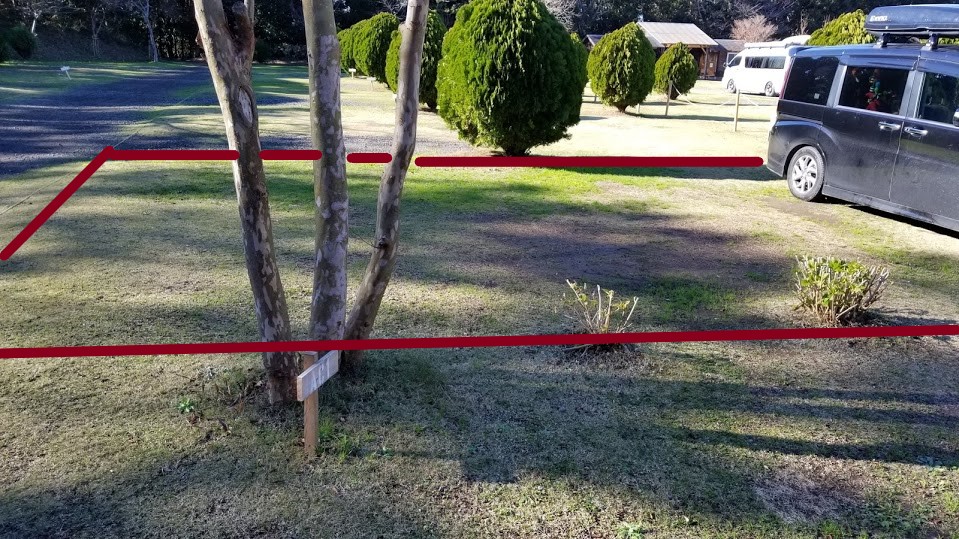
8. Marine Side (Tateyama) — Ocean Views, With a Catch
An oceanfront campground in Tateyama with a natural hot spring on site and a convenience store one minute away on foot. On clear days, you can even see Mt. Fuji across Tateyama Bay. Sounds perfect, right?
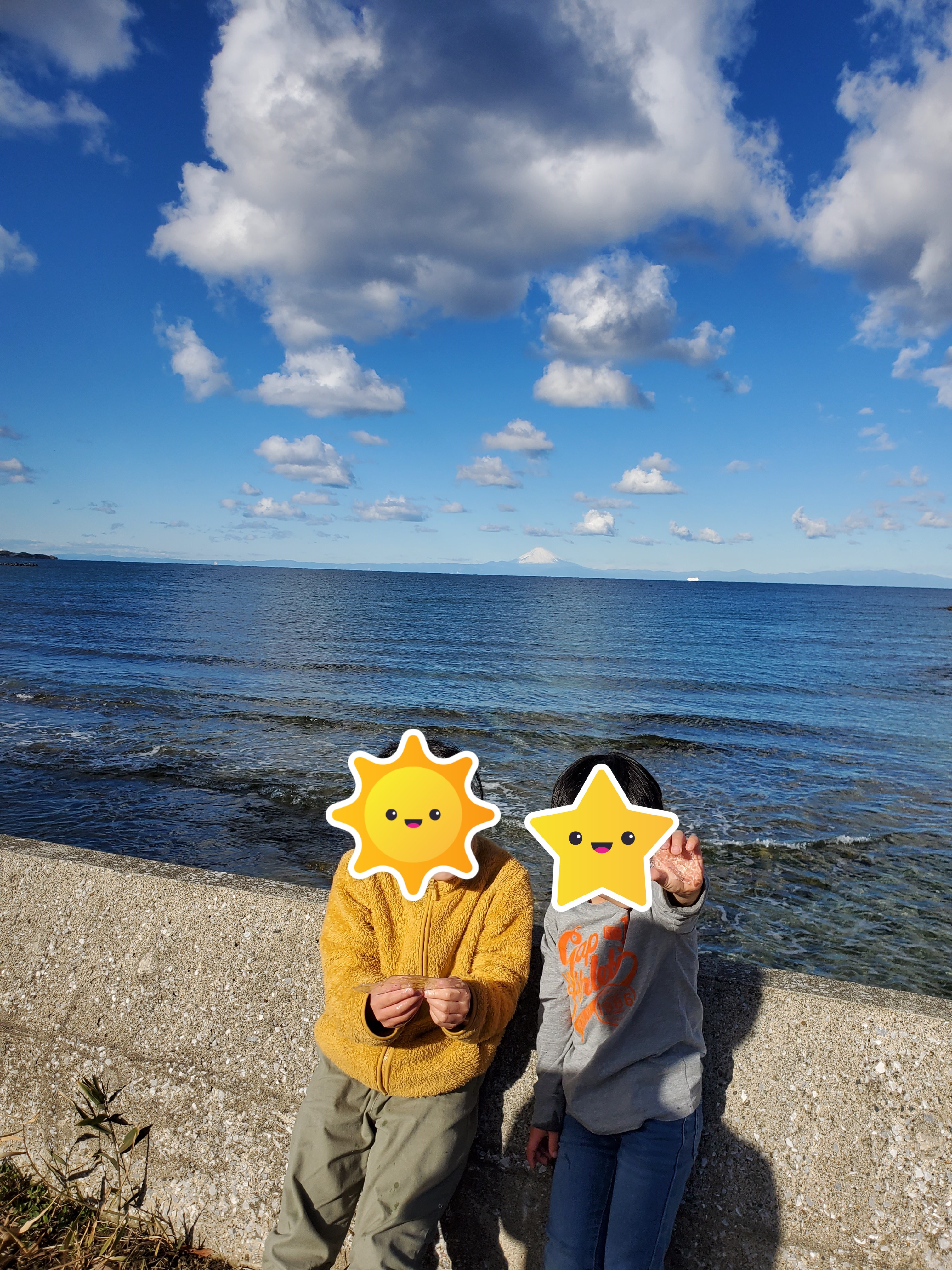
Here's the honest part: the sea wind was intense when we stayed. Our tarp got knocked around all day, and relaxing was difficult. It may have been bad luck with weather — but oceanfront sites are always a gamble with wind. Interesting lesson: Camp Manavis is in the same city, but its elevated terraced sites are far less exposed. "Ocean view" and "comfortable" are not the same thing.
If you go, check the wind forecast first. Onsen (hot spring) plus ocean in winter is a lovely combination when the weather cooperates.
Quick Comparison Table
| Campground | Area | Best For |
|---|---|---|
| Camp Manavis | Tateyama | ★ Overall winner: play areas, baths, terraced sites |
| Eleven Auto Camp Park | Kimitsu | Maximum kids' entertainment |
| Narita Yume Bokujo | Narita | Farm animals, near Narita Airport |
| Mori no Makiba | Sodegaura | Open meadow, free siting, pets OK |
| Chiba Ushinohiroba | Chiba City | Cows, closest to Tokyo |
| Arinomien | Sanmu | Privacy, quiet, harvest experiences |
| RECAMP Katsuura | Katsuura | Beginners, renovated large sites |
| Marine Side | Tateyama | Ocean + hot spring (watch the wind) |
Practical Guide: How Camping Works in Japan
This is the part I wish existed in English when my foreign friends asked me about camping here.
Booking. Most Japanese campgrounds take reservations through Nap-camp (なっぷ), Japan's largest campground booking site with over 5,900 campgrounds listed. The site is Japanese-only, but it works well with browser translation. Some campgrounds only take phone reservations in Japanese — if that's a barrier, stick to the Nap-camp listed ones. Book ahead for weekends, especially in spring and autumn; weekdays are often wide open.
Cost. A car site for a family typically runs ¥3,000–8,000 per night — dramatically cheaper than hotels or ryokan.
Rules to know.
- Check-in is usually 13:00–14:00, check-out 10:00–11:00.
- Open fires on the ground are prohibited almost everywhere. You need a fire stand (takibidai). Firewood is sold at most campgrounds for ¥800–1,200 a bundle.
- Quiet hours start at 21:00–22:00 and are taken seriously.
- Garbage rules vary — some campgrounds take everything, some make you carry it all home.
Getting there. You'll need a car. Campgrounds in Japan are rarely accessible by train, and Chiba is no exception. From Tokyo, rent a car and take the Tokyo Bay Aqua-Line — most of these campgrounds are 60–100 minutes from the city.
No gear? No problem. Rental services like hinata Rental deliver full camping sets directly to thousands of partner campgrounds, so you can arrive with nothing but food and clothes. Some campgrounds also rent tents and gear on site.
FAQ
Q. Is winter camping in Chiba realistic for visitors?
Yes — it's what locals prefer. Daytime is around 10°C, nights can drop near 0°C. A sleeping bag rated to -5°C comfort, warm layers, and you're set. Campgrounds are quiet and reservations are easy.
Q. Do campground staff speak English?
Usually not, but staff are almost universally kind and patient. Translation apps handle everything. Don't let this stop you.
Q. Can I buy food and supplies locally?
Always. Japanese convenience stores and supermarkets are everywhere, even in rural Chiba. Local seafood in Tateyama and Katsuura is a genuine bonus of camping on a peninsula.
Q. Which one campground should a first-time visitor pick?
RECAMP Katsuura for ease and facilities, or Camp Manavis if you want the full Japanese family-camping experience at its best.
I've also written about the most iconic piece of Japanese camping gear — the Snow Peak fire stand we've used for years: Snow Peak Takibi Fire & Grill Review: 12 Years With the Pack & Carry Fireplace
Japanese version of this article: 12年通った千葉のファミリーキャンプ場まとめ